About me, Dr. Mira Reisberg
Australia
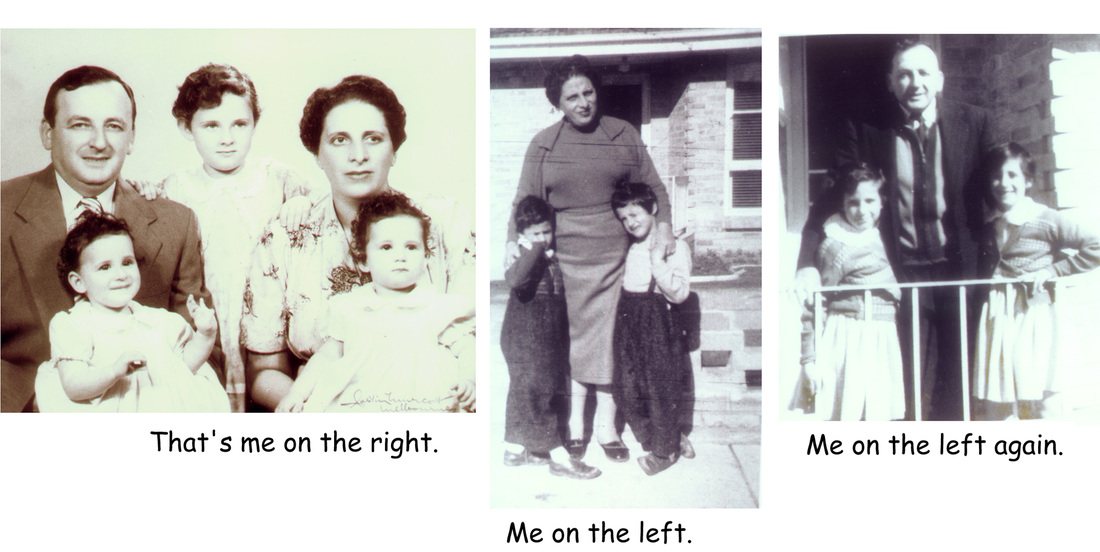
I'm one of those that art saved. Despite growing up in a working-class suburb of Australia, with an enormous amount of sadness around me, I was often filled with joy from a love of eccentric animals and beautiful light drenched landscapes.The bold colors and patterns of Aboriginal art inspired me as a young artist and still do. I drew constantly, sometimes using my drawings to make sense of things that were difficult and other times drawing to escape into a beautiful world of my own creation. In my art, I could be a mermaid, a bird, or a kangaroo.
I'm the sad twin on the right.
I'm one of those that art saved. Despite growing up in a working-class suburb of Australia, with an enormous amount of sadness around me, I was often filled with joy from a love of eccentric animals and beautiful light drenched landscapes.The bold colors and patterns of Aboriginal art inspired me as a young artist and still do. I drew constantly, sometimes using my drawings to make sense of things that were difficult and other times drawing to escape into a beautiful world of my own creation. In my art, I could be a mermaid, a bird, or a kangaroo.
I'm the sad twin on the right.
Libraries and Exhibitions
I loved books with a passion (as did everyone in my family). We had a local library in an old building that looked like a cathedral, the librarians were heavenly, like angels and goddesses. They would help me find books that I was interested in and suggest others that I might like. In 1976 I had my first exhibition of paintings and drawings called "A Different Kettle of Fish" (this is an Australian expression for anyone or anything that's a bit unusual or different). It was very successful and helped pay for me to come to the U.S.
I loved books with a passion (as did everyone in my family). We had a local library in an old building that looked like a cathedral, the librarians were heavenly, like angels and goddesses. They would help me find books that I was interested in and suggest others that I might like. In 1976 I had my first exhibition of paintings and drawings called "A Different Kettle of Fish" (this is an Australian expression for anyone or anything that's a bit unusual or different). It was very successful and helped pay for me to come to the U.S.
Travel and Culture
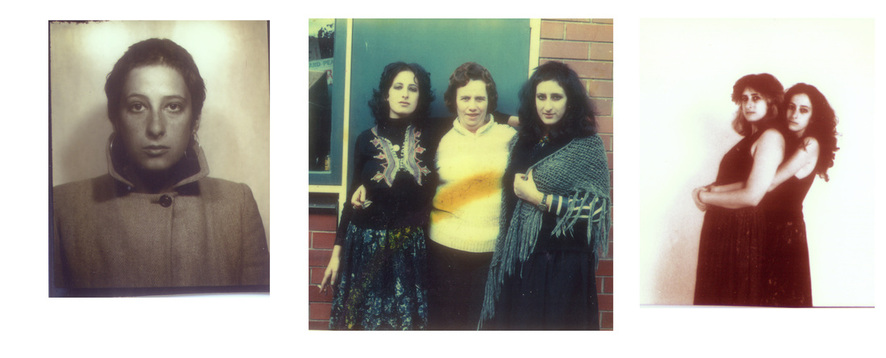
During my twenties I lived in the bush and in cities, painted and drew, performed in street theater and made movies. I lived an adventurous life traveling around the East Coast of Australia. But I was tough and very shut down and super self-protective as you can see in the pictures below (that was my wicked step mother in the middle below between Leonie and I .
During my twenties I lived in the bush and in cities, painted and drew, performed in street theater and made movies. I lived an adventurous life traveling around the East Coast of Australia. But I was tough and very shut down and super self-protective as you can see in the pictures below (that was my wicked step mother in the middle below between Leonie and I .
In the early 80s I came to the United States and got to do that wonderful process that America is famous for - reinvent myself to become the person I always wanted to be. Over the years I've been lucky enough to live or travel to San Francisco, New Mexico and the Southwest, New York, Washington DC, Oregon, New Orleans, Seattle, Los Angeles, San Diego, Mexico and Vancouver as well as trips to Bali and Europe. Experiencing these places has widened my world and my respect and appreciation for life and the different ways that people live and make art.
Making Art, Children's Books, and Higher Education
During my years in San Francisco, I painted murals, had many exhibitions, and fell into writing and illustrating children's picture books. I also taught art and children's literature/picture book making in many settings ranging from elementary to college leveI for 20 years. While living in the Bay Area, I attended Mills College, where I earned a Masters in Fine Art focusing on painting and digital art. After many years in San Francisco (primarily in the Mission district), my husband Guy and I gave up our beautiful rent-controlled flat and moved to Washington State University in Pullman where I completed a PhD in Education with an emphasis in Cultural Studies, Children's Picture Books, and Art Education while teaching art and children's literature courses to pre-service teachers. After graduating, I taught at Northern Illinois University also teaching art and children's literature courses.
Academia and Now
As a professor, I was required to not only teach, but to also research, write and publish (see scholarly articles), leaving little time for my own creative projectst. It was while writing some of these articles that I realized how interconnected my personal art, writing, children's picture book art, research interests, and teaching practices were. But I missed making art and books and the West Coast and gave up academia returning to California. Here I have I returned to my true love of making art and books and of teaching in truly unconventional ways. I began creating my Mondays with Mira teaching picture books videos series on my blog, and launched The Picture Book Academy and Hero's Art Journey both of which have been incredibly meaningful and rewarding. I also do individual consultations and help drag Leonie, who is an art therapist, into the 21st century by teaching her social media skills. Am so delighted that I finally get to live a life of sane and helpful usefulness helping others and following my own creative and loving heart : )
To read my embarrassingly large resume click here
During my years in San Francisco, I painted murals, had many exhibitions, and fell into writing and illustrating children's picture books. I also taught art and children's literature/picture book making in many settings ranging from elementary to college leveI for 20 years. While living in the Bay Area, I attended Mills College, where I earned a Masters in Fine Art focusing on painting and digital art. After many years in San Francisco (primarily in the Mission district), my husband Guy and I gave up our beautiful rent-controlled flat and moved to Washington State University in Pullman where I completed a PhD in Education with an emphasis in Cultural Studies, Children's Picture Books, and Art Education while teaching art and children's literature courses to pre-service teachers. After graduating, I taught at Northern Illinois University also teaching art and children's literature courses.
Academia and Now
As a professor, I was required to not only teach, but to also research, write and publish (see scholarly articles), leaving little time for my own creative projectst. It was while writing some of these articles that I realized how interconnected my personal art, writing, children's picture book art, research interests, and teaching practices were. But I missed making art and books and the West Coast and gave up academia returning to California. Here I have I returned to my true love of making art and books and of teaching in truly unconventional ways. I began creating my Mondays with Mira teaching picture books videos series on my blog, and launched The Picture Book Academy and Hero's Art Journey both of which have been incredibly meaningful and rewarding. I also do individual consultations and help drag Leonie, who is an art therapist, into the 21st century by teaching her social media skills. Am so delighted that I finally get to live a life of sane and helpful usefulness helping others and following my own creative and loving heart : )
To read my embarrassingly large resume click here